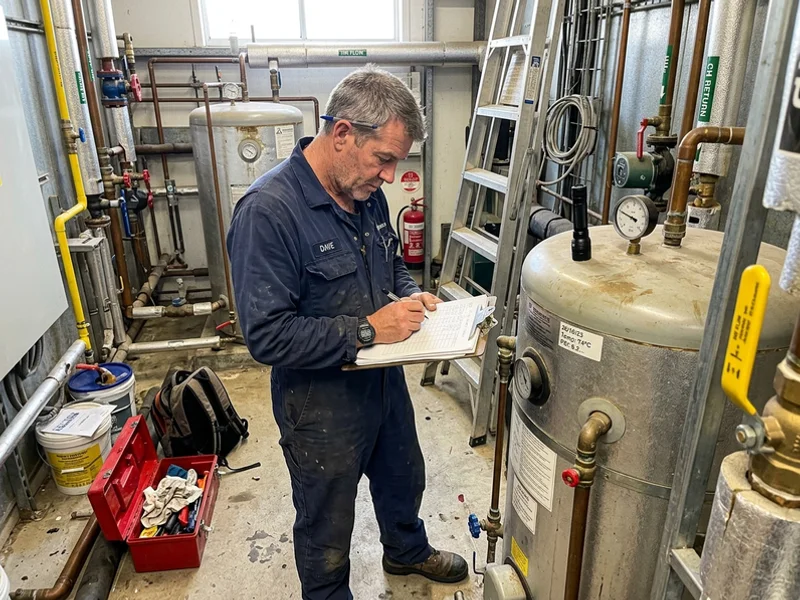
Why hot water systems are regulated
Hot water systems in WA are covered by both state and federal safety standards, and for good reason. A poorly installed or badly maintained system can fail dangerously, through corrosion, pressure build-up, sediment overheating the tank, or simple incorrect installation. Before any work on a water system, a licensed contractor is required to inspect the property and confirm it meets the applicable standards, making any necessary repairs before the job proceeds.
Whether you’re installing a new system or getting one repaired, working with a licensed contractor is what keeps you compliant, not just what gets the job done.
Licensed installation requirements
Gas systems, and solar systems fitted with a gas booster, must be installed by a licensed plumber. This isn’t optional: most manufacturers won’t honour a warranty unless installation was carried out by a licensed contractor, and an uncertified install can leave you without cover if something goes wrong later. If you’re comparing electric against a gas or gas-boosted system, it’s worth checking availability and any phase-out guidance with your energy supplier first, since policy in this space shifts over time.
Temperature and flow regulations
This is the rule most homeowners have never heard of but that genuinely matters. Water inside the storage tank must not drop below 60°C, which is the temperature needed to kill bacteria, including legionella. Water delivered to the tap, on the other hand, must not exceed 50°C, which is the regulation that prevents scalding injuries, particularly for children and older residents.
Every compliant system includes an automatic mechanism, usually a tempering valve, that holds the delivered temperature at or under that 50°C limit while keeping the tank itself hotter internally. If your system has ever been adjusted manually, it’s worth having the temperature checked, since running outside this range is both a compliance issue and a genuine safety and health risk.
Building classifications
Requirements differ depending on what the system is installed in. The classifications that matter for residential and small commercial hot water are Class 1a, a single house or an attached dwelling like a townhouse or rowhouse, Class 1b, boarding houses, guesthouses or small hospitals with fewer than 12 beds, and Class 2, multi-storey buildings with individual apartments. If you’re installing in a strata or multi-unit building, check with your body corporate before starting, since they often have their own additional requirements on top of the state rules.
Energy efficiency and WaterMark
Under the federal MEPS program, hot water systems carry a star rating reflecting how efficiently they perform, and for solar systems the rating applies specifically to the booster component.
Separately, every system installed in WA must carry WaterMark certification, the compulsory national scheme confirming that plumbing and drainage products meet Australian safety and performance standards. A licensed plumber will only fit certified units, which is one of the practical reasons DIY installation isn’t recommended even where it’s technically possible.
Recommended maintenance intervals
Staying compliant isn’t a one-off event at installation, it depends on ongoing maintenance. As a guide:
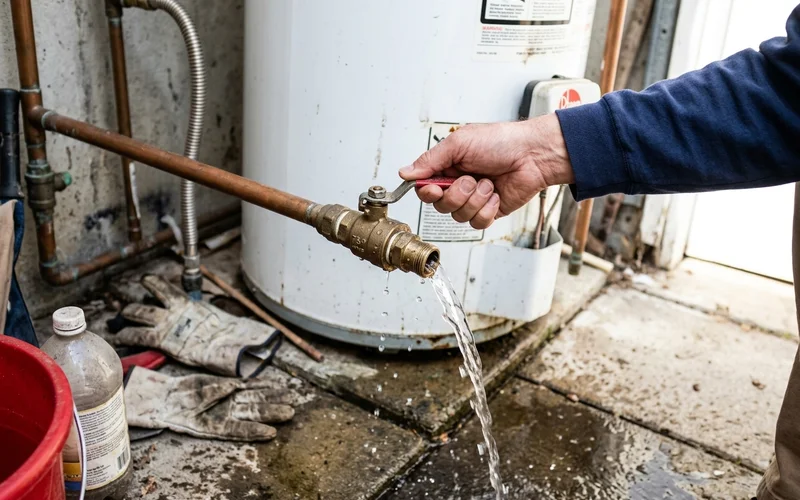
- Every 6 months – open and close the pressure relief and expansion control valves gently to confirm they haven’t seized.
- Every year – check that the unit’s built-in temperature control is working correctly by confirming water from the nearest tap isn’t running hotter than it should.
- Every 5 years – have a licensed plumber replace the pressure, temperature and expansion valves, more often in hard water areas like much of the Perth metro.
- Every 5 to 10 years – have the sacrificial anode replaced to limit tank corrosion.
- After a week or more away – run a hot tap and confirm water flows freely, not in short bursts, before using any electrical appliance connected to the system.
Getting it right
Understanding hot water regulations in WA comes down to three things: use a licensed contractor, keep the system within the 60°C storage and 50°C delivery temperature range, and make sure it carries WaterMark certification. Get those right and the rest, correct building classification, energy rating and maintenance, follows naturally.
If you’re unsure whether an existing system is compliant, or you’re planning a new installation or need a repair, get in touch and we’ll check it against the current requirements.